Digital marketing has revolutionized the way businesses reach their customers. With over 99 percent of consumers researching online before making a purchase, this shift is nothing short of astounding. But here’s the twist: many companies are still clinging to outdated marketing methods. In reality, the most effective strategies today embrace a data-driven, digital-first approach that connects brands directly to their audience in real-time. Discover how you can harness this powerful paradigm to engage customers and propel your business forward.
Table of Contents
- What Is Digital Marketing?
- Important Digital Marketing Channels
- Why Digital Marketing Matters Today
- Starting Your Digital Marketing Journey
Quick Summary
| Takeaway | Explanation |
|---|---|
| Define Clear Marketing Objectives | Establish specific, measurable goals using the SMART framework to guide your digital marketing efforts effectively. |
| Understand Your Target Audience | Conduct comprehensive audience research to develop detailed customer personas, enabling targeted messaging and content creation. |
| Utilize Multiple Digital Channels | Implement a holistic approach by integrating various channels like social media, email, SEO, and PPC to maximize engagement and conversion opportunities. |
| Continuous Performance Evaluation | Monitor key performance metrics regularly, such as impressions, engagement rates, and ROI, to refine and optimize your digital marketing strategies. |
| Embrace Adaptability and Learning | Stay flexible and open to new techniques, continuously evolving your strategy based on insights and emerging digital trends. |
What is Digital Marketing?
Digital marketing represents a transformative approach to connecting businesses with potential customers through online channels and digital technologies. Unlike traditional marketing methods, digital marketing leverages the internet’s vast ecosystem to create targeted, measurable, and interactive communication strategies.
The Core Definition
At its fundamental level, digital marketing encompasses all marketing efforts that use digital devices and online platforms to reach and engage potential customers. This includes websites, mobile devices, social media platforms, search engines, and other digital channels. Investopedia defines digital marketing as the use of digital channels to promote and sell products and services, highlighting its core purpose of connecting businesses with their target audience through technological mediums.
The evolution of digital marketing traces back to the 1990s with the emergence of search engines and internet technologies. Research from the International Journal of Flexible Manufacturing Research notes that digital marketing fundamentally transformed how businesses communicate by enabling targeted messaging based on user preferences, behaviors, and demographics.
Key Characteristics of Digital Marketing
Digital marketing distinguishes itself through several critical characteristics that set it apart from traditional marketing approaches:
- Targeted Reach: Unlike broad traditional advertising, digital marketing allows precise audience targeting based on specific demographics, interests, and online behaviors.
- Cost-Effectiveness: Small businesses can now compete with larger enterprises by creating impactful online marketing strategies without enormous budgets.
- Measurable Results: Digital platforms provide real-time analytics, enabling marketers to track campaign performance, engagement rates, and return on investment with unprecedented accuracy.
The Strategic Advantage
Southern New Hampshire University expert Steve Geibel emphasizes that digital marketing offers significant advantages over traditional outbound marketing. It provides immediate, customizable communication channels that are “cheaper, more immediate and customizable,” democratizing marketing opportunities for businesses of all sizes.
Modern digital marketing strategies encompass various tactics including search engine optimization (SEO), content marketing, social media marketing, email marketing, and paid digital advertising. Each channel offers unique opportunities to engage potential customers, build brand awareness, and drive conversions through sophisticated, data-driven approaches.
Understanding digital marketing is no longer optional but essential for businesses seeking to remain competitive in an increasingly digital marketplace. By embracing these online strategies, companies can create meaningful connections, understand customer needs more deeply, and develop more responsive, interactive marketing ecosystems.
Important Digital Marketing Channels
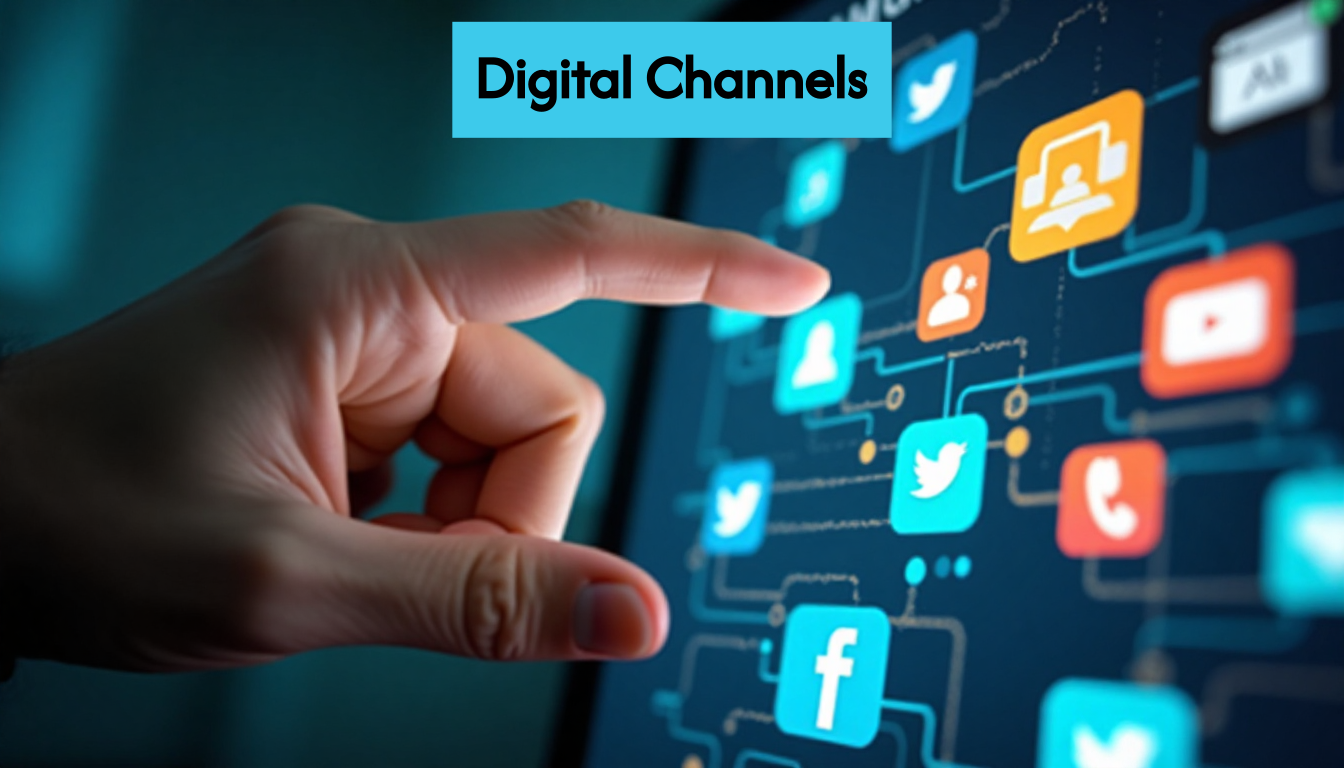
Digital marketing channels represent the diverse platforms and strategies businesses leverage to connect with their target audience, each offering unique opportunities for engagement, brand building, and conversion. Understanding these channels enables marketers to craft comprehensive, integrated marketing approaches that maximize reach and impact.
Social Media Marketing
Social media has emerged as a powerhouse digital marketing channel, with Statista reporting that 44 percent of marketers worldwide prioritize social media platforms. Platforms like Facebook, Instagram, LinkedIn, Twitter, and TikTok provide businesses unprecedented opportunities to interact directly with audiences, build brand personality, and drive targeted advertising campaigns.
Each social media platform offers distinct advantages:
- Facebook: Extensive demographic targeting and robust advertising tools
- Instagram: Visual storytelling and engagement with younger demographics
- LinkedIn: Professional networking and B2B marketing opportunities
- TikTok: Viral content and engagement with Gen Z audiences
Successful social media marketing requires understanding platform-specific algorithms, creating engaging content, and maintaining consistent brand messaging across different channels.
Email and Content Marketing
Research from Growing Science highlights email marketing as a consistently effective digital communication strategy. Email continues to provide high return on investment by enabling direct, personalized communication with customers. Effective email marketing involves segmentation, personalization, and delivering valuable content that resonates with specific audience segments.
Content marketing complements email strategies by creating valuable, relevant information that attracts and retains a clearly defined audience. This includes:
- Blog posts
- Whitepapers
- Infographics
- Video tutorials
- Podcasts
Search and Advertising Channels
Search engine optimization (SEO) and pay-per-click (PPC) advertising represent critical digital marketing channels for driving online visibility. SEO focuses on optimizing website content to rank higher in search engine results, while PPC allows businesses to place targeted advertisements in search results and across digital platforms.
Key advertising channels include:
- Google Ads: Search and display network advertising
- Social Media Advertising: Targeted ads on platforms like Facebook and Instagram
- Programmatic Advertising: Automated ad purchasing across multiple platforms
Effective digital marketing requires a holistic approach that integrates multiple channels. By understanding the strengths of each platform and creating cohesive, targeted strategies, businesses can build comprehensive digital marketing ecosystems that drive engagement, build brand awareness, and ultimately generate conversions.
The digital marketing landscape continues to evolve rapidly, demanding continuous learning and adaptation. Marketers must remain agile, embrace emerging technologies, and consistently analyze performance metrics to refine their multichannel strategies.
Why Digital Marketing Matters Today
In an increasingly digital world, marketing has fundamentally transformed from traditional broadcast methods to sophisticated, data-driven strategies that connect businesses directly with their target audiences. Digital marketing has become not just an option, but a critical necessity for businesses seeking to remain competitive and relevant in the modern marketplace.
Consumer Behavior and Digital Engagement
Semrush research reveals a striking statistic: over 99% of consumers conduct online research before making a purchase. This profound shift in consumer behavior underscores the critical importance of establishing a robust digital marketing presence. Businesses that fail to develop comprehensive online strategies risk becoming invisible to potential customers who predominantly begin their purchasing journey through digital channels.
Consumer expectations have also dramatically evolved. Modern customers demand personalized, immediate, and seamless interactions across multiple digital platforms. They seek brands that can provide value, demonstrate authenticity, and engage them through meaningful digital experiences. Digital marketing enables businesses to meet these expectations by offering targeted, contextually relevant communication that resonates with specific audience segments.
Economic and Competitive Landscape
Statista’s global marketing research indicates that worldwide marketing spending is approaching the trillion-dollar mark, highlighting the massive economic significance of digital marketing. This substantial investment reflects the recognized value and potential of digital strategies across industries.
Competitive advantages now emerge from sophisticated digital marketing approaches that leverage data analytics, artificial intelligence, and advanced targeting techniques. Small businesses and startups can compete with larger enterprises by implementing smart, cost-effective digital marketing strategies that maximize reach and engagement.
Trust and Credibility in the Digital Age
Digital marketing has become a critical mechanism for building trust and credibility. Research shows that approximately 97% of consumers read online reviews when searching for local businesses. This means that a company’s digital reputation can directly influence customer decisions.
Key trust-building digital marketing strategies include:
- Transparent and authentic brand communication
- Consistent and valuable content creation
- Responsive customer engagement across digital platforms
- Leveraging user-generated content and testimonials
- Demonstrating expertise through thought leadership
Moreover, digital marketing provides unprecedented opportunities for businesses to showcase their values, corporate social responsibility, and commitment to customer satisfaction. By creating meaningful connections beyond transactional interactions, companies can develop loyal customer bases that extend far beyond traditional marketing limitations.
The digital marketing landscape continues to evolve rapidly, driven by technological innovations, changing consumer behaviors, and emerging platforms. Businesses that embrace continuous learning, remain adaptable, and view digital marketing as a dynamic, strategic discipline will be best positioned to thrive in an increasingly connected global marketplace.
Ultimately, digital marketing matters today because it represents the primary method through which modern businesses communicate, engage, and grow their customer relationships in a digital-first world.
Starting Your Digital Marketing Journey
Embarking on a digital marketing journey requires strategic planning, a clear understanding of your business objectives, and a willingness to learn and adapt. This section provides a comprehensive roadmap for professionals and businesses looking to establish or enhance their digital marketing capabilities.
Defining Your Marketing Objectives
Adobe Business emphasizes that successful digital marketing begins with defining clear, measurable goals. These objectives serve as the foundation for all subsequent marketing efforts, guiding channel selection, content creation, and performance evaluation.
Key considerations when establishing marketing objectives include:
- Business Growth Targets: Increasing revenue, expanding market share
- Brand Awareness: Enhancing visibility and recognition
- Customer Engagement: Building meaningful connections with target audiences
- Lead Generation: Creating a consistent pipeline of potential customers
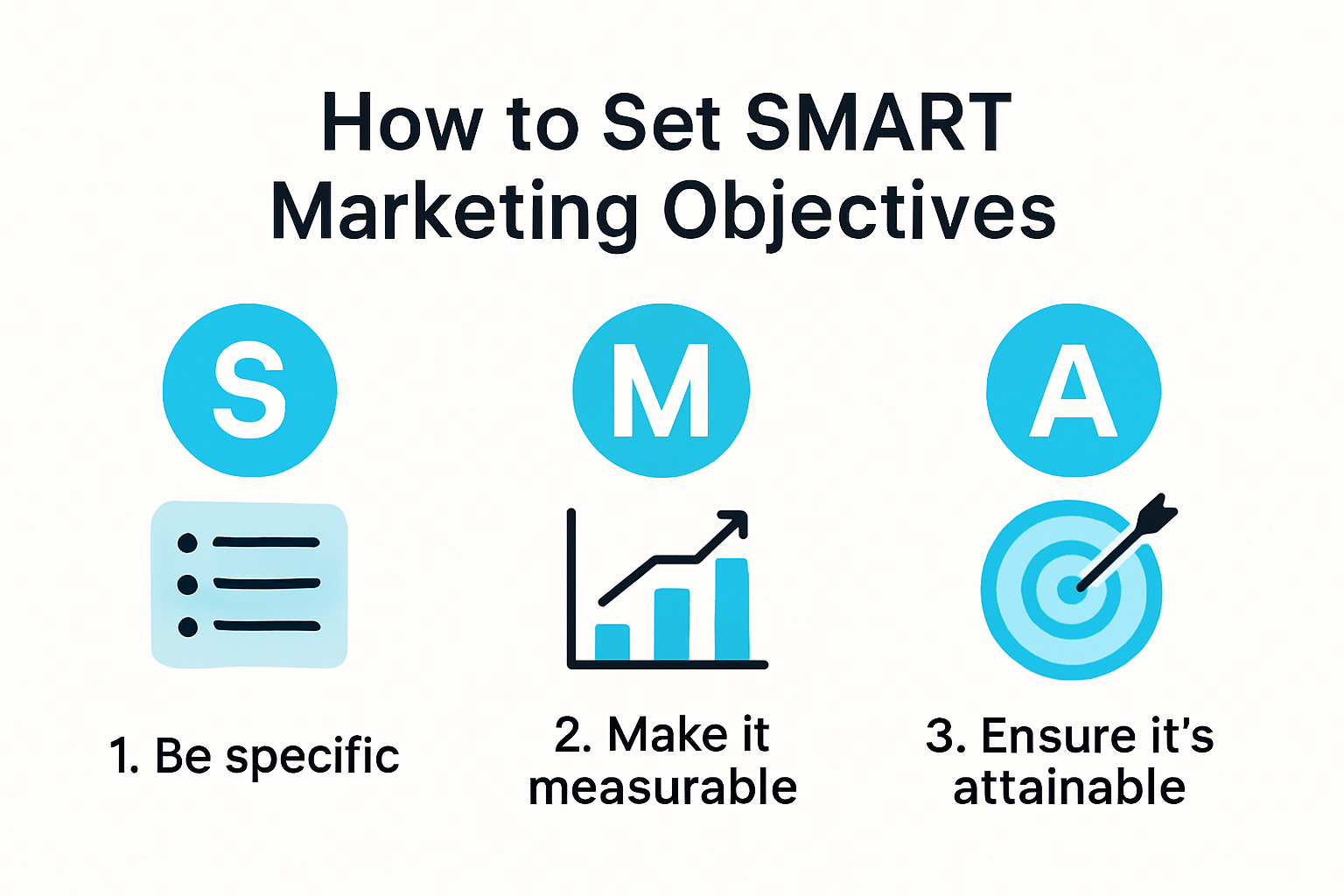
Effective goal setting follows the SMART framework:
- Specific: Clearly defined and unambiguous
- Measurable: Quantifiable outcomes
- Achievable: Realistic within your resources
- Relevant: Aligned with broader business strategy
- Time-bound: Specific timeframe for achievement
Identifying and Understanding Your Target Audience
ReliableSoft’s Digital Marketing Guide highlights audience identification as a critical step in digital marketing strategy. Understanding your target demographic involves comprehensive research and analysis to create detailed customer personas.
Audience research techniques include:
- Demographic analysis
- Online behavior tracking
- Social media listening
- Customer surveys
- Competitive audience research
These insights enable marketers to craft targeted messaging, select appropriate digital channels, and develop content that resonates with specific audience segments.
Implementing and Measuring Your Strategy
Successful digital marketing requires a structured approach to implementation and continuous performance evaluation. Adobe Business recommends tracking key performance metrics to refine and optimize your strategy.
Critical metrics to monitor include:
- Impressions: Total number of times content is displayed
- Click-through Rates: Percentage of viewers who click on content
- Engagement Rates: Level of audience interaction
- Conversion Rates: Percentage of leads that become customers
- Return on Investment: Financial performance of marketing efforts
Utilize analytics tools like Google Analytics, social media insights, and specialized marketing platforms to gather and interpret these performance indicators. Regular analysis allows for data-driven adjustments to your digital marketing approach.
Starting your digital marketing journey is not about achieving perfection immediately, but about creating a flexible, learning-oriented strategy. Embrace experimentation, remain open to new technologies and techniques, and continuously educate yourself about emerging digital marketing trends.
Remember that digital marketing is an ongoing process of refinement. Your initial strategy will evolve as you gain insights, understand your audience better, and adapt to changing digital landscapes. Patience, persistence, and a willingness to learn are your most valuable assets in this dynamic field.
Frequently Asked Questions
What is digital marketing?
Digital marketing refers to all marketing efforts that utilize the internet and digital devices to connect with potential customers. This includes tactics like SEO, social media marketing, email marketing, and online advertising.
Why is digital marketing important for businesses today?
With over 99% of consumers researching online before making purchases, digital marketing is essential for businesses to reach their target audience, establish credibility, and remain competitive in a digital-first marketplace.
How do I get started with digital marketing?
To begin your digital marketing journey, define clear marketing objectives, identify your target audience, and integrate multiple digital channels. Continuously measure performance and adapt your strategies based on analytics.
What are the key channels in digital marketing?
Key digital marketing channels include social media marketing, email and content marketing, search engine optimization (SEO), and pay-per-click (PPC) advertising. Each channel plays a vital role in building brand awareness and driving customer engagement.
Elevate Your Digital Marketing Game with Reportz.io
As you embark on your digital marketing journey, the challenge of transforming your strategy into measurable success can be daunting. With over 99% of consumers conducting online research before making a purchase, your marketing objectives must be clear, targeted, and data-driven. But how do you align your daily reporting with those strategic goals without overwhelming your schedule? Enter Reportz.io.
Imagine cutting down the hours spent on reporting tasks to mere minutes—that’s the power of our platform. You can customize KPI dashboards that aggregate data from your favorite analytics tools, providing real-time insights into your campaigns. No more manual digging through spreadsheets! With integrations to multiple marketing channels and privacy controls, you’ll have everything you need at your fingertips, enabling you to focus on crafting compelling messages and driving conversions.
Ready to simplify your reporting and amplify your strategy? Visit https://reportz.io today to start your free trial and transform how you approach digital marketing. Your time is precious—don’t waste it on repetitive tasks. Take the first step now!
Recommended Articles
- Cómo establecer KPI en 2025: Una guía clara, paso a paso – Reportz
- Maximizing Your Brand’s Visibility: Tips for Improving Your Instagram Performance Report – Reportz
- Reportz Introduced New E-commerce Report Templates Every Marketing Agency Should Have – Reportz
- Unlock the Best SEO Reporting Tools for Rapid Growth – Reportz
- The Advantages of Using a Cloud-Based Reporting Tool for Real-Time Analytics – Reportz