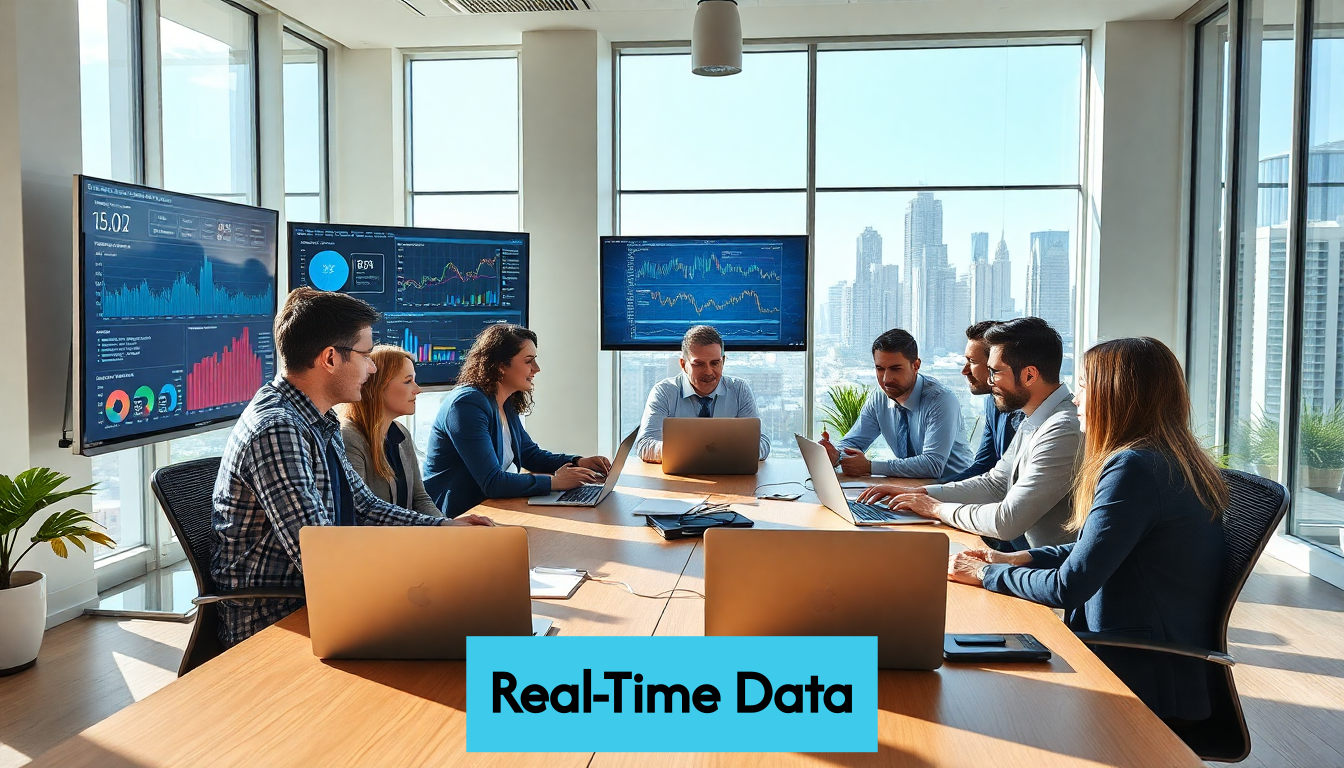
Real-time data tracking is revolutionizing how businesses operate, transforming information into actionable insights. In 2025, successful data-driven enterprises will automate up to 50 percent of decisions through real-time data analytics. But hold on—this isn’t just about speed or volume of data. The real game changer lies in how organizations can leverage this information to enhance customer experience and drive revenue growth. Imagine being able to adjust marketing strategies and messaging instantly based on current consumer behavior; that is the power of embracing real-time data tracking.
Table of Contents
- Real-Time Data Tracking Basics
- Key Techniques And Tracking Tools
- Enhancing Business With Data Tracking
- Future Trends In Data Tracking
Quick Summary
| Takeaway | Explanation |
|---|---|
| Immediate Decision-Making | Real-time data tracking enables businesses to make quick adjustments to campaigns and strategies based on current performance rather than waiting for historical reports. |
| Hyper-Personalization | By utilizing real-time data, marketers can deliver customized content and engage with customers in a contextually relevant manner, enhancing the overall customer experience. |
| Data Volume Management | Organizations must be prepared to manage the overwhelming volume of real-time data, ensuring systems are capable of processing information effectively without causing analysis paralysis. |
| Integration of Tools | Effective real-time tracking requires the integration of various data sources and tools, making it essential to choose solutions that offer robust APIs and compatibility with existing systems. |
| Future Trends in Analytics | Businesses should prepare for trends such as AI-powered predictive analytics and democratized data access, which will enable more proactive decision-making and broader participation in data-driven strategies. |
Real-Time Data Tracking Basics

Real-time data tracking represents the continuous collection, processing, and analysis of information as it’s generated. Unlike traditional data analysis that works with historical information, real-time tracking delivers insights instantly, allowing businesses to make immediate decisions based on current conditions.
What Is Real-Time Data?
Real-time data refers to information that’s processed immediately after collection with minimal delay. Think of it as the difference between watching a live sports broadcast versus a recorded game—real-time data gives you the play-by-play as it happens.
In the digital marketing landscape, real-time data might include:
- Website visitor behavior right now
- Social media engagement happening this minute
- Campaign performance metrics updating by the second
- Customer purchases occurring at this moment
According to Data Engineer Academy, real-time data processing has become essential for businesses in 2025, enabling immediate insights while reducing latency through edge computing, where processing occurs closer to data sources like IoT devices and smart sensors.
How Real-Time Data Tracking Works
Real-time data tracking involves three main components:
1. Data Collection
The process begins with gathering raw data from multiple sources. This might include website analytics, social media platforms, CRM systems, or IoT devices. Collection happens continuously rather than in scheduled batches.
2. Processing and Analysis
Once collected, data moves through processing systems that organize, structure, and analyze it. Modern real-time systems use techniques like stream processing that analyze data in motion rather than waiting for it to be stored.
3. Visualization and Delivery
Processed data is then transformed into accessible formats—dashboards, alerts, or automated actions—that allow businesses to interpret and act on the information immediately.
Key Benefits for Digital Marketers
Real-time data tracking isn’t just a technical upgrade—it fundamentally changes how marketing teams operate. The ability to monitor trends, detect anomalies, and automate responses has become particularly vital in industries like finance, healthcare, and e-commerce, as noted by FusionCharts.
For marketing agencies and digital professionals, real-time tracking offers several advantages:
Immediate Decision-Making: When you notice a campaign underperforming, you can make adjustments immediately rather than discovering issues days later.
Personalization at Scale: Deliver customized content to users based on their current behavior, not just historical patterns.
Proactive Problem Solving: Identify and address technical issues before they significantly impact performance metrics.
Resource Optimization: Allocate budget and staff resources to initiatives showing the best real-time results.
Common Challenges in Implementation
While powerful, real-time data tracking comes with challenges:
Data Volume Management: The sheer amount of information generated in real time can overwhelm systems not designed for high-velocity data.
Integration Complexity: Connecting multiple data sources to create a unified real-time view often requires significant technical expertise.
Analysis Paralysis: Without proper filters and focus, teams can become overwhelmed by the constant stream of information.
Data Quality Monitoring: As noted by Apptad, continuous scanning of data for outliers, anomalies, or unusual patterns has become a key pillar of data observability in 2025.
Understanding these fundamentals of real-time data tracking provides the foundation for implementing effective systems that deliver genuine business value rather than just more information. For digital marketers and agencies, mastering these basics is the first step toward transforming raw data into actionable insights that drive results for clients.
Key Techniques and Tracking Tools
Successful real-time data tracking requires both effective methodologies and the right tools. As data volumes grow and expectations for instant insights increase, understanding the available options becomes crucial for digital marketing professionals.
Essential Real-Time Tracking Techniques
Event-Based Tracking
Event-based tracking captures specific user actions as they occur. Rather than waiting for page refreshes or scheduled data collection, this technique records interactions immediately. For digital marketers, this means tracking clicks, form submissions, video views, and other engagement metrics the moment they happen.
A well-implemented event tracking system categorizes actions by:
- Event category (video, form, download)
- Event action (play, submit, click)
- Event label (specific video name, form type)
- Event value (numerical data like duration or value)
Stream Processing
Stream processing handles continuous data flows in real time rather than batch processing that occurs at scheduled intervals. This technique processes data items individually or in micro-batches measured in seconds, enabling immediate analysis.
For marketing agencies, stream processing allows campaign metrics to update continuously, providing a live view of performance that supports agile decision-making.
Edge Computing
According to McKinsey, the Internet of Things will significantly impact real-time data analytics by 2025, creating vast networks of connected devices that gather and transmit data in real-time. Edge computing moves data processing closer to where the data originates, reducing latency and enabling faster insights.
This approach is particularly valuable for marketers working with location-based campaigns or analyzing in-store consumer behavior through IoT devices.
Powerful Tools for Real-Time Data Tracking
Data Streaming Platforms
Data streaming platforms form the backbone of many real-time analytics systems. These tools capture, process, and route data streams to appropriate destinations:
-
Apache Kafka – An open-source distributed event streaming platform that handles high-throughput, fault-tolerant data pipelines and streaming applications.
-
Amazon Kinesis – AWS’s solution for collecting, processing, and analyzing real-time streaming data.
-
Google Pub/Sub – A messaging service for event ingestion and delivery with built-in redundancy and scalability.
As noted by Estuary, streaming SQL and specialized databases optimized for real-time analytics, such as CrateDB, are becoming increasingly important for handling IoT and time-series data.
Real-Time Analytics Dashboards
Visualization tools transform raw data streams into accessible insights through real-time dashboards:
-
Grafana – An open-source platform for monitoring and observability that excels at time-series analytics visualization.
-
Tableau – Offers real-time data connections and live dashboards for business intelligence.
-
Looker – Provides real-time business intelligence and embedded analytics.
Marketing-Specific Tracking Solutions
Digital marketers benefit from specialized tools designed specifically for real-time marketing data:
-
Google Analytics 4 – Offers event-based tracking and real-time reporting capabilities.
-
Mixpanel – Provides advanced event tracking and real-time user behavior analysis.
-
Hotjar – Delivers real-time heatmaps and session recordings to visualize user interactions.
Implementing an Effective Real-Time System
According to FusionCharts, big data technologies like Hadoop 2.0 with YARN have made real-time analytics more accessible and scalable, allowing companies of all sizes to implement real-time systems.
When selecting and implementing real-time tracking techniques and tools, consider these best practices:
Start With Clear Objectives
Define exactly what you need to track in real time and why immediate insights matter for those specific metrics. Not all data benefits from real-time analysis.
Consider Scale and Performance
Ensure your chosen tools can handle your data volume without degrading performance. Real-time systems that slow down under load defeat their purpose.
Balance Depth and Accessibility
The most sophisticated real-time analytics are worthless if your team can’t understand and act on them. Choose solutions that balance powerful capabilities with usable interfaces.
Plan for Integration
Real-time data is most valuable when it connects to your existing marketing technology stack. Prioritize tools that offer robust APIs and pre-built integrations with your current systems.
By combining these techniques and tools in a thoughtful implementation, digital marketers can create real-time tracking systems that deliver meaningful insights and drive better, faster decision-making for clients and campaigns.
Enhancing Business with Data Tracking
Real-time data tracking isn’t just a technological advancement—it’s a fundamental shift in how businesses operate, make decisions, and deliver value to customers. When implemented strategically, it transforms reactive organizations into proactive powerhouses that anticipate needs and solve problems before they escalate.
Transforming Decision-Making Processes
Traditional business decisions often relied on intuition supplemented by historical data. Today’s real-time tracking capabilities have redefined this approach. According to McKinsey, by 2025, successful data-driven enterprises will automate up to 50% of decisions through real-time data analytics, significantly enhancing business agility and competitiveness.
This shift manifests in several ways:
Reduced Decision Latency
The gap between identifying an opportunity or problem and taking action shrinks dramatically with real-time tracking. For marketing teams, this might mean adjusting ad spend within minutes of detecting underperforming campaigns rather than waiting for end-of-week reports.
Higher Decision Quality
Humans are prone to cognitive biases and information overload. Real-time systems can process vast amounts of data objectively, identifying patterns and connections that might escape even experienced professionals. This leads to more consistent, evidence-based decision-making.
Scalable Decision Frameworks
As organizations grow, maintaining decision quality becomes challenging. Real-time tracking allows companies to codify their best decision processes into automated systems that can scale efficiently without degrading quality.
Driving Revenue Growth and Efficiency
Beyond improving decisions, real-time data tracking directly impacts financial performance through multiple channels:
Dynamic Pricing Optimization
Retailers and service providers can adjust prices in response to demand fluctuations, competitor actions, or inventory levels. These small, frequent adjustments maximize revenue without the risk of major pricing errors.
Campaign Performance Enhancement
Marketing teams can continuously optimize campaigns based on real-time performance data, redirecting resources from underperforming channels to those showing the highest engagement and conversion rates.
Resource Allocation Efficiency
Real-time visibility into operations allows businesses to identify inefficiencies and reallocate resources immediately. This might mean shifting staff to busy service areas or adjusting production schedules based on supply chain updates.
The global big data market is expected to reach $103 billion by 2027, with real-time analytics enabling businesses to independently analyze complex datasets and unlock new opportunities for innovation, according to Quantic Education.
Elevating Customer Experience
Perhaps the most visible impact of real-time data tracking comes through enhanced customer experiences:
Hyper-Personalization
Real-time tracking enables businesses to customize interactions based on a customer’s immediate context and behavior, not just their historical profile. According to research from GrowthLoop, leading organizations now prioritize unified and privacy-conscious first-party data strategies to enable hyper-personalized marketing at scale in 2025.
Proactive Issue Resolution
By monitoring customer interactions in real time, businesses can identify friction points as they occur and address them immediately—often before the customer needs to report a problem.
Contextual Engagement
Real-time data provides the context necessary for meaningful customer engagement. Support teams can see what a customer was doing before contacting them, marketers can deliver content relevant to current browsing behavior, and sales teams can tailor pitches to immediate needs.
Practical Implementation Approaches
Transforming your business through real-time data tracking requires thoughtful implementation:
-
Start with high-impact use cases – Identify areas where real-time insights would most significantly improve outcomes, and begin there rather than attempting enterprise-wide transformation.
-
Build cross-functional teams – Real-time data tracking bridges technical and business functions, requiring collaboration between data specialists and operational experts.
-
Develop clear response protocols – Define in advance how your team should respond to different real-time insights to ensure prompt, consistent action.
-
Maintain a learning loop – Continuously evaluate whether real-time tracking is producing better outcomes, and refine your approach based on results.
For digital marketing agencies and professionals, real-time data tracking offers a compelling opportunity to deliver superior client results through more responsive, data-informed strategies. By embracing these capabilities, businesses gain not just incremental improvements but transformative advantages in increasingly competitive markets.
Future Trends in Data Tracking
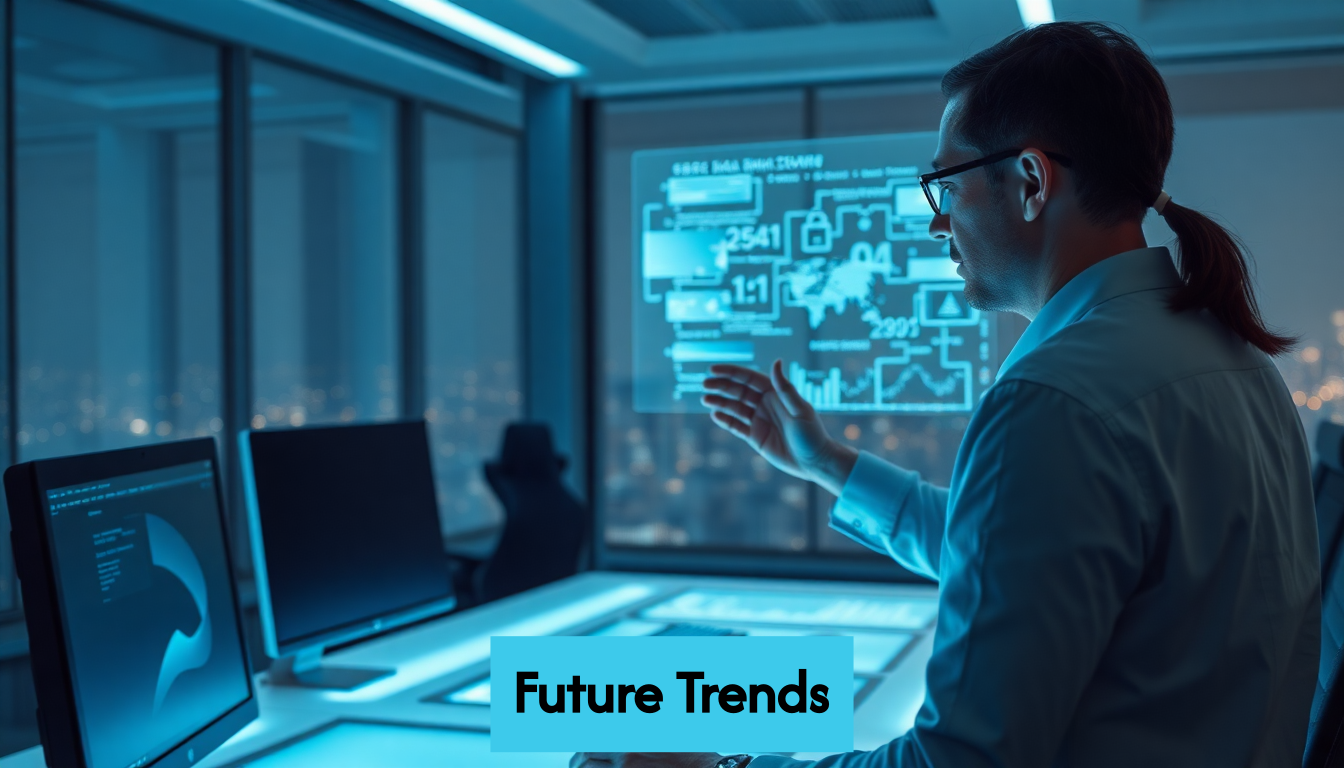
As we look toward the horizon of real-time data tracking, several emerging trends promise to reshape how businesses collect, process, and leverage information. Understanding these developments helps digital marketers and agencies prepare for the evolving landscape and maintain competitive advantage.
AI-Powered Predictive Analytics
While current real-time tracking tells us what’s happening now, the future lies in systems that predict what will happen next. According to MIT Sloan Management Review, generative AI and data fabric technologies are transforming data tracking by enabling more sophisticated real-time analytics and unified data systems—crucial for managing increasingly complex data ecosystems.
These advancements will enable:
Preemptive Action
Rather than responding to trends as they emerge, AI-powered systems will identify patterns that precede significant changes, allowing marketers to act before trends fully materialize. Imagine adjusting campaign messaging before—not after—engagement metrics begin to decline.
Automated Optimization
AI will continuously test and refine marketing variables in real time without human intervention. These systems will autonomously adjust bidding strategies, content distribution, and creative elements to maximize performance based on real-time feedback loops.
Intent Prediction
Advanced tracking will move beyond observing behavior to understanding user intent through contextual signals. This deeper insight will enable more relevant, timely interactions that anticipate user needs rather than merely reacting to actions.
Democratized Data Access
The future of data tracking will see sophisticated analytics capabilities extended throughout organizations, not just reserved for technical specialists.
No-Code Analytics Platforms
User-friendly interfaces will allow marketing professionals with limited technical backgrounds to create custom tracking implementations, visualizations, and automated responses without developer assistance.
Embedded Analytics
According to UserPilot, embedded analytics within applications is gaining momentum as it provides real-time insights directly within the tools teams already use. This trend improves data-driven decision-making by allowing businesses to act swiftly on user engagement and product adoption metrics without switching contexts.
Collaborative Intelligence
Future tracking systems will facilitate collaboration between human expertise and machine intelligence, with AI handling data processing while humans provide strategic direction and creative interpretation.
Enhanced Privacy Solutions
As data collection becomes more sophisticated, so too will privacy protections and compliance mechanisms.
Privacy-Preserving Analytics
New techniques like differential privacy, federated learning, and homomorphic encryption will allow marketers to derive insights from sensitive data without exposing individual information, addressing growing privacy concerns while maintaining analytical power.
Consent-Based Tracking Ecosystems
Future systems will build trust through transparent value exchanges, where users actively provide access to their data in return for clear benefits, moving beyond passive cookie acceptance to active participation in data sharing.
First-Party Data Focus
As third-party tracking faces growing restrictions, companies will develop more sophisticated approaches to collecting and activating first-party data within privacy-compliant frameworks.
Infrastructure Evolution
Edge Analytics Expansion
Processing will continue moving closer to data sources (IoT devices, mobile applications, retail locations) to reduce latency and bandwidth requirements while improving real-time capabilities.
Cloud-Native Scalability
Velosio notes that cloud-based scalability is becoming essential for handling growing data volumes and supporting advanced real-time analytics without infrastructure bottlenecks. This shift enables businesses to scale their tracking capabilities up or down as needed without major capital investments.
Serverless Computing Models
Event-driven, serverless architectures will further reduce the overhead of maintaining real-time tracking systems, allowing organizations to focus on insights rather than infrastructure management.
Practical Applications for Digital Marketers
How will these trends translate to practical applications for marketing professionals?
Hyper-Personalization at Scale
Future tracking systems will enable true one-to-one marketing, with content, offers, and interactions tailored to individual preferences and contexts without sacrificing efficiency.
Seamless Omnichannel Experiences
Advanced tracking will connect previously siloed customer touchpoints, creating unified experiences that flow naturally across devices, platforms, and physical locations.
Ethical Influence Measurement
Traditional attribution models will evolve into more sophisticated systems that measure true influence while respecting privacy boundaries, providing marketers with more accurate understanding of what drives consumer decisions.
For digital marketing agencies, these trends represent both opportunity and challenge. Those who prepare now by investing in flexible data architectures, developing privacy-centric approaches, and building AI competencies will be positioned to deliver exceptional value in an increasingly complex data landscape.
The future of real-time data tracking isn’t just about faster or more comprehensive data collection—it’s about smarter, more responsible, and more accessible systems that transform raw information into meaningful business outcomes.
Frequently Asked Questions
What is real-time data tracking?
Real-time data tracking refers to the continuous collection and analysis of data as it occurs, allowing businesses to make immediate decisions based on current information, rather than relying on historical data.
How does real-time data tracking benefit digital marketers?
Real-time data tracking enables digital marketers to make immediate adjustments to their campaigns, deliver personalized content based on current user behavior, and proactively identify and resolve issues, ultimately enhancing customer experience and driving revenue growth.
What are the common challenges in implementing real-time data tracking?
Common challenges include managing the vast volume of data generated, integration of multiple data sources, analysis paralysis due to overwhelming information, and maintaining data quality and accuracy.
What future trends should businesses expect in real-time data tracking by 2025?
By 2025, businesses can expect trends such as AI-powered predictive analytics, democratized data access for non-technical users, enhanced privacy solutions, and the continued evolution of infrastructure to support real-time data processing.
Unlock the Power of Real-Time Insights with Reportz.io
In a rapidly evolving digital landscape, the ability to leverage real-time data tracking is no longer a luxury—it’s a necessity. Are you tired of waiting days for historical reports to catch up with customer behavior? With Reportz.io, you can transform those insights into action within minutes! By integrating seamlessly with multiple marketing tools, our platform allows you to create customizable KPI dashboards that give you the full picture of your performance in real-time.
Imagine having all your valuable insights displayed in a single, coherent dashboard where you can adjust strategies instantly—no more analysis paralysis and no more missed opportunities! Start automating your reporting today and free up time to focus on what truly matters: your marketing strategy and execution.
Why wait? Discover how easy it is to streamline your reporting process by visiting https://reportz.io and set up personalized dashboards in under three minutes. Let Reportz.io bring clarity and efficiency to your data handling and watch your productivity soar!
Recommended Articles
- How to Analyze Your Instagram Performance Report for Better Engagement – Reportz
- Elevating Your Marketing Strategy with an Advanced Analytics Dashboard – Reportz
- Gain Valuable SEO Insight with Reportz’ Brand New Feature: Mission Control – Reportz
- 12 Tips for Creating Custom Dashboards with Your SEO Reporting Tool – Reportz