I’ve spent the better part of a month staring at my utility portal, watching that little bar graph of our electricity usage fluctuate like a nervous heartbeat. If you’re reading this, you’re likely in the same boat: you’ve heard the phrase “3,400 kWh a year” thrown around as the ‘average’ UK household consumption, but you have absolutely no idea what that means when it comes time to actually write a cheque to the energy company.
As someone who has been tracking family finances for over a decade, I’ve developed a healthy skepticism for “savings calculators” on glossy solar websites. They love to show you a nice, round number of how much money you’ll save, but they rarely show you the math behind the curtain. Today, we’re going to strip away the marketing fluff and actually do the maths to turn those kilowatt-hours into hard, cold cash.
The 2026 Reality Check: Why We Need Real Numbers
Let’s talk about the elephant in the room: energy prices in 2026. We aren’t in the days of sub-15p unit rates anymore. The energy price cap is a constant, looming shadow over every family budget meeting I have with my wife. When installers start tossing around jargon like “degradation rates” and “inverter efficiency,” I just want to know one thing: If I put these panels on my roof, how much less am I paying the Big Six?
To get a solar savings estimate that actually means something, we have to stop looking at ‘percentage savings’ and start looking at the electricity unit rate UK households are paying. If your supplier charges you 28p per kWh, every unit you generate yourself and use immediately is 28p straight back into your pocket. It’s not magic; it’s just not buying electricity you don’t need.
The Math: Turning kWh into Pounds
Let’s get the calculator out. If you’re using 3,400 kWh annually, you’re looking at roughly 9.3 kWh per day. Now, a typical 4kW solar system in the UK (the standard “family home” size) might generate anywhere from 3,200 to 3,800 kWh per year, depending on which way your roof faces and how much shade your neighbour’s chimney throws.
But—and this is the bit the salesmen hate to admit—you won’t use all of that. Unless you’re running a tumble dryer at noon or charging an EV while the sun is blazing, you’re going to export some of that power back to the grid. Here is a rough breakdown of what that looks like in pounds:

See that gap? That £343 difference is why I get annoyed by vague claims. A system without a battery is just a science experiment on your roof; a system with a battery and a bit of “dad-logic” (timing the dishwasher for 1 PM) is an actual financial strategy.
The Upfront Cost: VAT and the “Installer Jargon” Trap
I’ve procrastinated on a lot of home upgrades, but solar is one area where the VAT rules actually played in our favour. Currently, the 0% VAT rate on the installation of energy-saving materials is a massive win for homeowners. When you’re quoted a price, make sure it’s an “all-in” price. Some firms try to add on “scaffolding fees” or “electrical certification surcharges” at the last minute. Don’t stand for it.
Always ensure your installer is MCS (Microgeneration Certification Scheme) certified. This isn’t just a badge; it’s your insurance policy. If your system isn’t MCS-certified, you might struggle to sign up for export tariffs (like those offered by companies like YEERS or other smart-tariff providers), which allow you to get paid for the electricity you export to the grid.
Navigating the ECO4 Scheme
I often get asked about the ECO4 scheme. It’s designed for low-income households or those in energy-inefficient properties (EPC ratings of D or below). If you qualify, the government essentially pays for the upgrades to bring your home up to standard. It’s a brilliant initiative, but don’t fall for the “free solar” marketing tactics that pop up on social media. If you are a homeowner with a decent income, you likely won’t qualify, and searching for these grants can be a massive waste of time that leads to nothing but spam calls.
Three Blunt Questions to Ask Your Installer
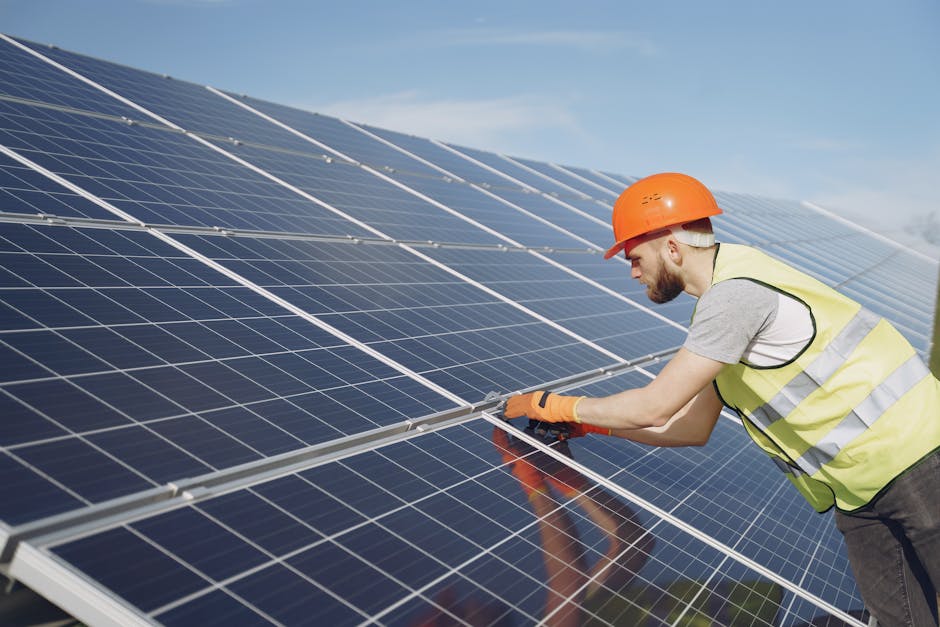
When the guy in the high-vis jacket comes to your door, don’t let him gloss over the details. Ask these three questions:
My Takeaway: Don’t Chase the Payback Period Alone
Every installer will tell you your system will pay for itself in 7 to 9 years. I’ve lived in this house for ten years, and I know that boilers break, inverters need replacing, and energy markets shift. I treat solar less like a “guaranteed stock market investment” and more like “pre-purchasing my electricity for the next 25 years at today’s prices.”
If you use 3,400 kWh a year, stop looking at the shiny brochures. Look at your own smart meter data. Look at when your house is actually “awake.” If you work 9-to-5, that 3,400 kWh is being used in the mornings and evenings—exactly when the sun isn’t shining. That is why the battery is the most important part of the kWh to pounds calculation. Without storage, you’re just giving your https://dadbloguk.com/solar-panels-and-family-budgets-what-every-dad-needs-to-know-in-2026/ free energy to the grid for pennies and buying it back from the supplier for pounds.
Keep your wits about you, ignore the hard-sell tactics, and always— always—ask for the math in kWh, not just the “savings” in pounds. You’re the one paying the bill, so you’re the one who needs to understand the flow.